

Made Right
Materials
Every material we use earns its place the way a note earns its place in a composition. We select for performance on the skin and the ability to hold up over years of daily wear. Nothing enters a VEYS piece by default.
Austen-L
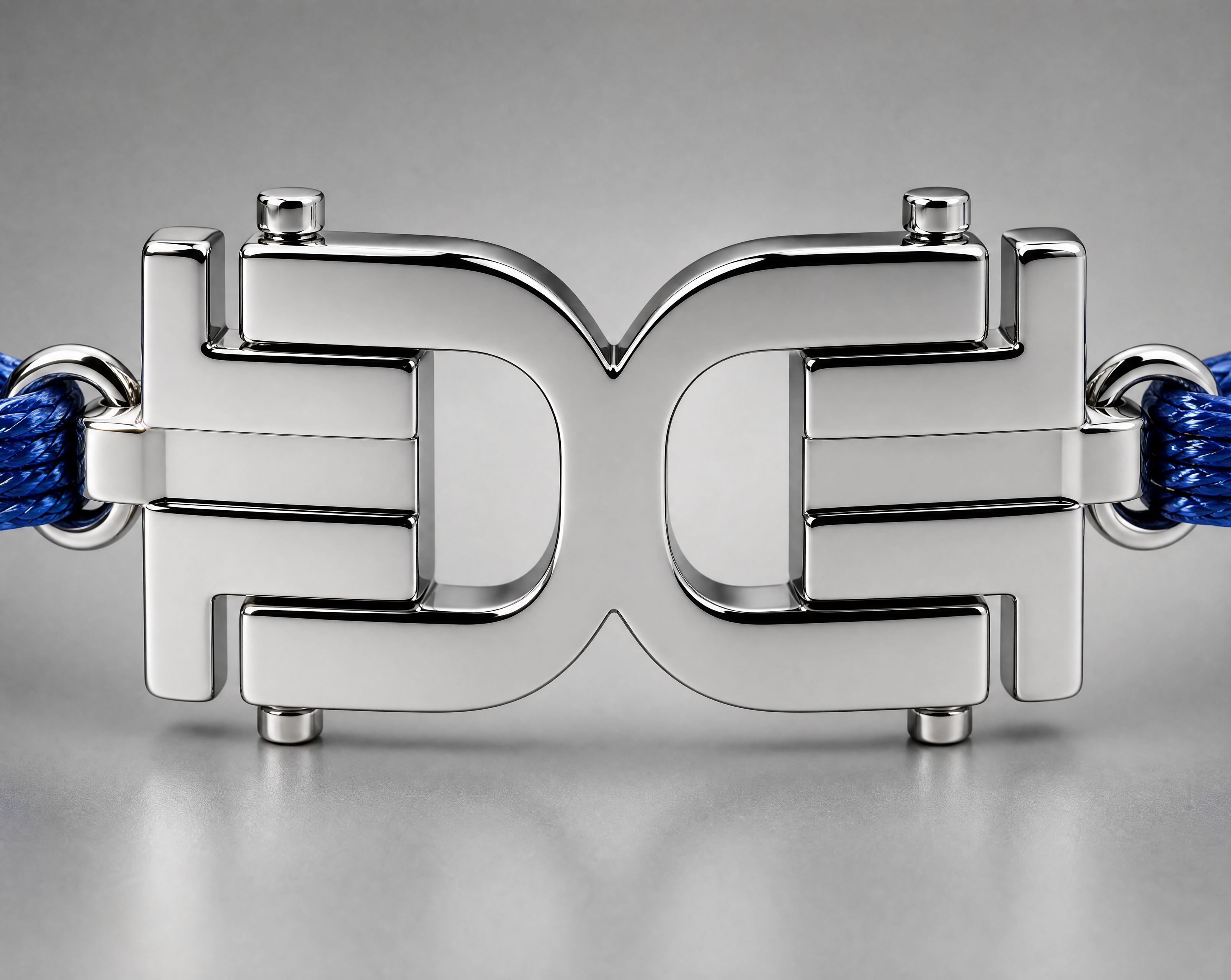
Austen-L is the alloy behind every piece in the Diapason VIBES collection. It belongs to the austenitic family, the same metallurgical class found in surgical instruments and precision watchmaking. The alloy is clinical grade and low-carbon, certified for direct skin contact with zero free nickel. It does not oxidize.
The color range covers Black, Silver, Yellow, and Pink. Each shade is applied through vacuum deposition, a process that bonds pigment at the molecular level. It does not chip or fade with daily wear.
A clever choice for a prestigious result at a better ecological cost.
18-Karat Gold
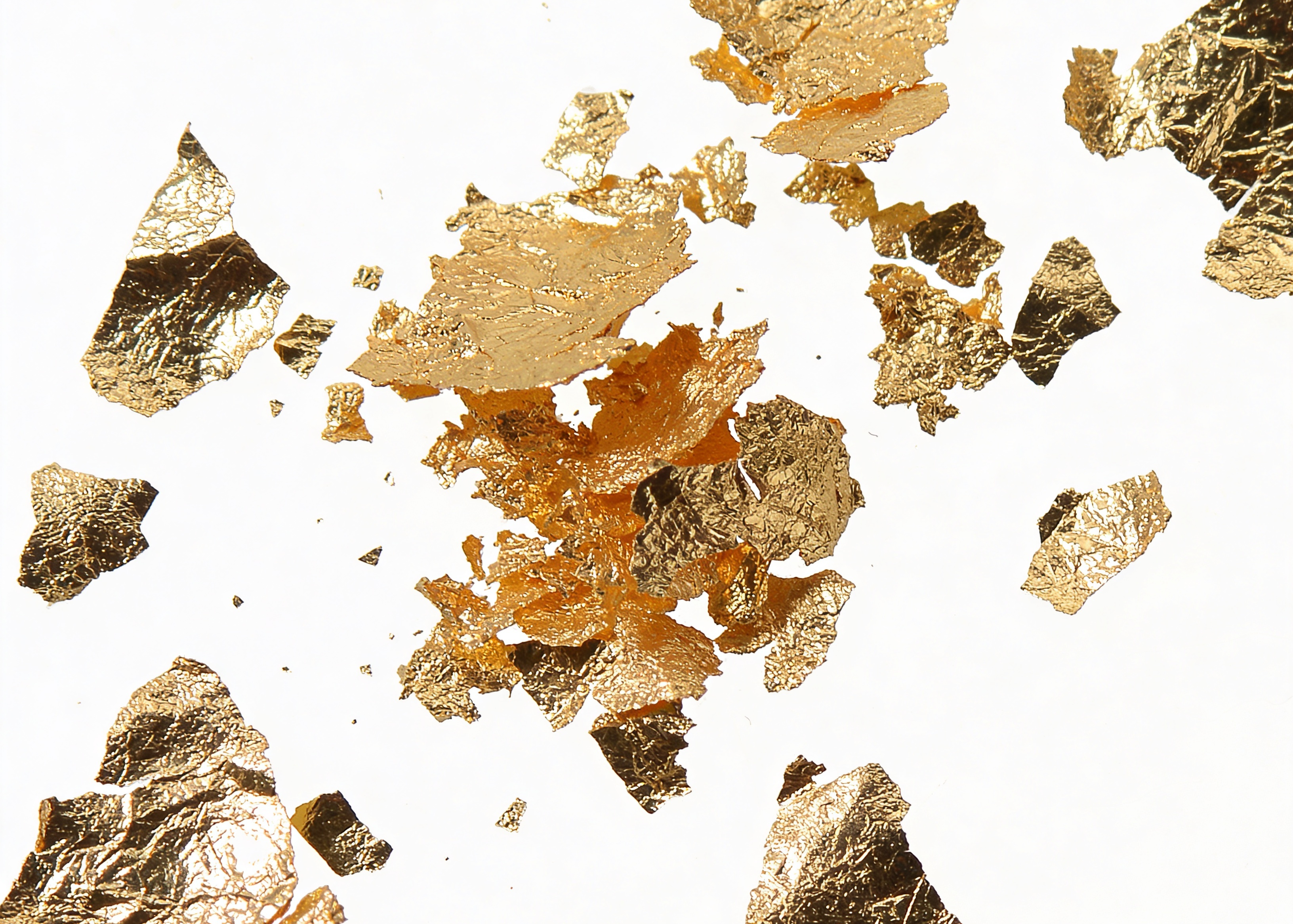
750/1000 fineness, the standard grade used in fine jewelry worldwide. All VEYS gold pieces are produced in 18-karat.
925 Sterling Silver
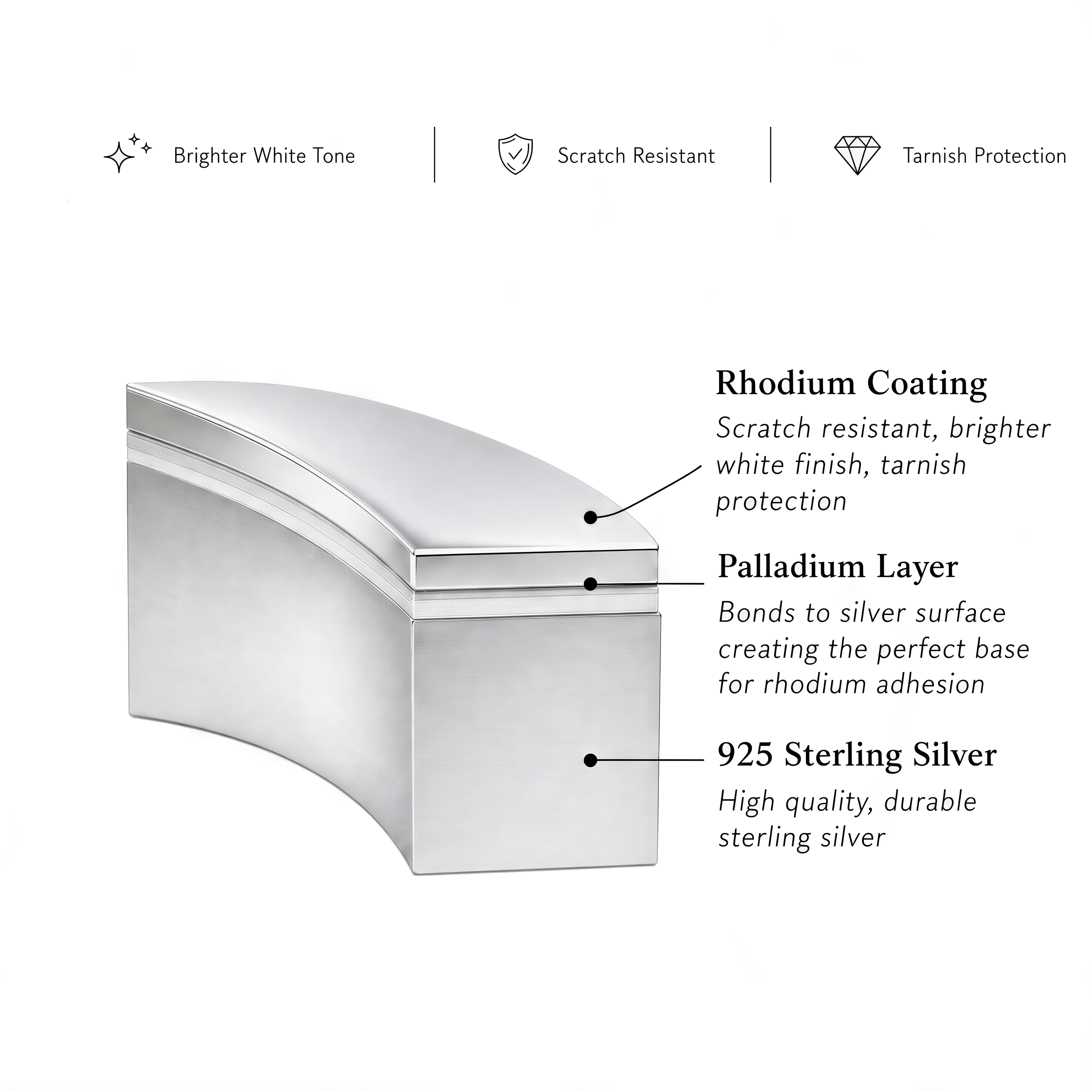
925 Sterling Silver with a rhodium and palladium double coating.
The palladium bonds to the silver surface first, creating a base layer that allows the rhodium to adhere. Without this intermediary step, rhodium won't hold on silver. The rhodium finish adds scratch resistance, a brighter white tone than untreated silver, and complete protection against tarnishing. The surface stays bright without maintenance. Both layers are hypoallergenic.
The Cord
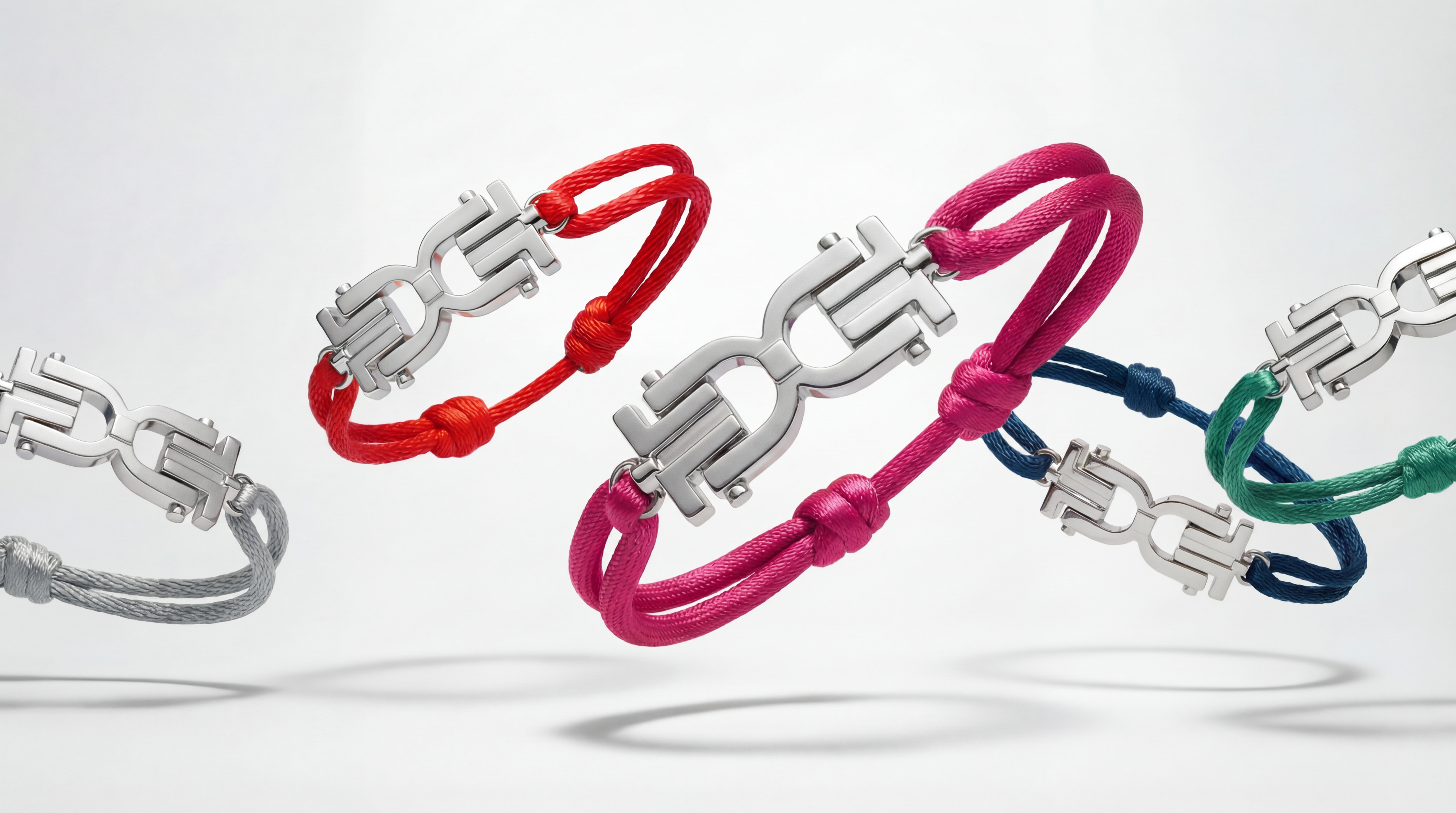
Flexible, resistant, designed to stay on the wrist day and night without removing it. The cord is one of VEYS' signature materials across several collections.
Color options rotate with the seasons. Some appear only in limited windows before cycling out.
Wild Silk for Kumihimo
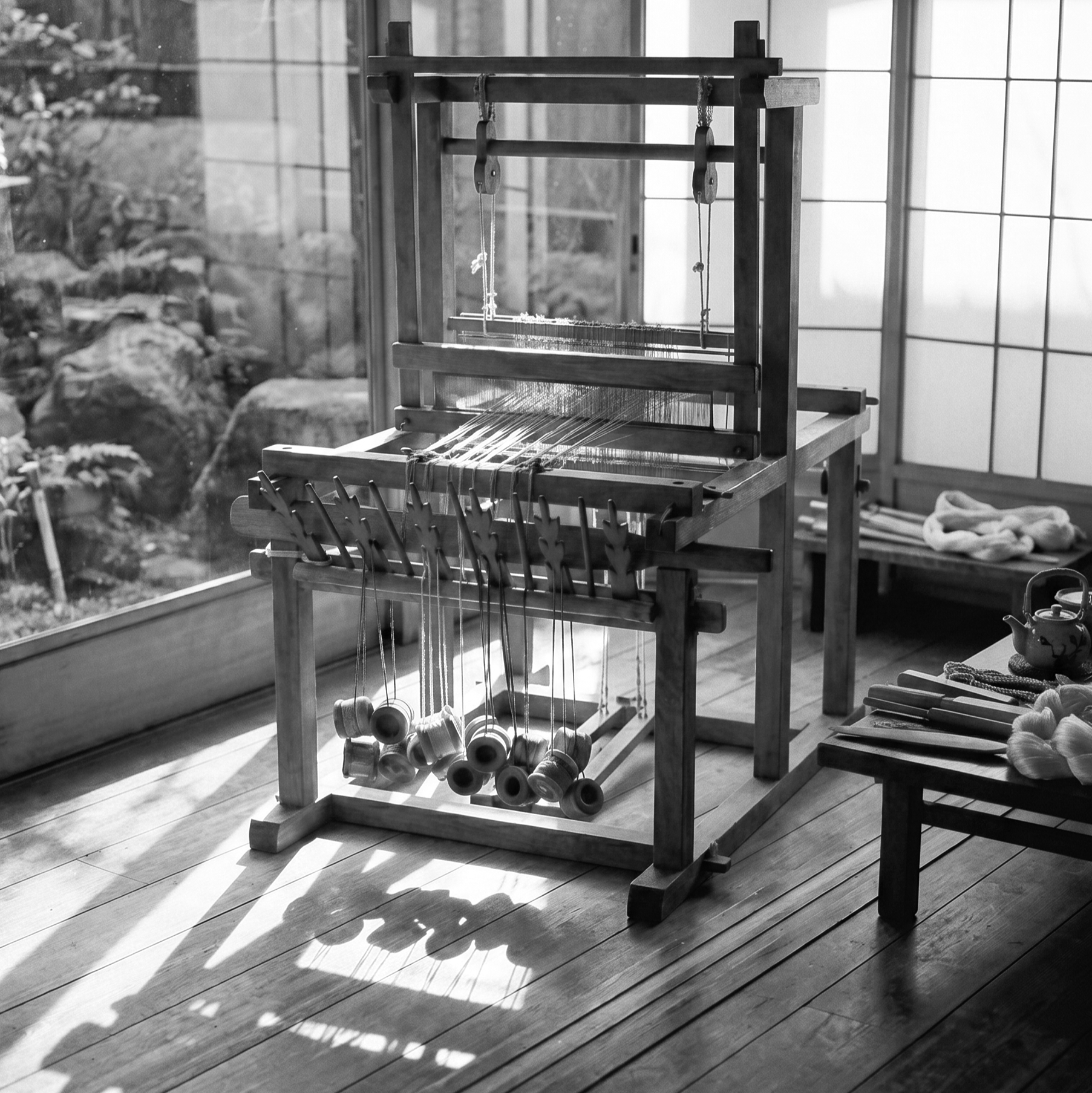
Kumihimo is a centuries-old Japanese braiding technique. Strands of fiber are interlaced by hand on a round wooden disc called a marudai, creating a structure that is both cylindrical and flexible. Each braid takes time. The tension must stay even across every strand, and no machine replicates the result.
VEYS uses wild silk braided in Kumihimo by a partner atelier in Kyoto for several bracelets in the Overtone collection.
The same collection also features rPET cord, produced from recycled plastic collected along the Italian coastline. Manufacturing rPET requires up to 90% less energy than producing virgin polyester, with significantly lower carbon emissions.
Packaging